Our Clients





Python Development Specialists Cypherox Offers
Hire dedicated Python developers tailored to your project needs, including Django and FastAPI backends, data pipelines, AI and machine learning, automation, or cloud solutions. Our specialists require no additional training on your specific challenges.
Generative AI Platforms
Why Cypherox is the Preferred Way to Hire Dedicated Python Developers
Hire Python developers with the right expertise, checked for real-world work, ready to start in days, working under your guidance, and giving you full ownership of all the code they create.
The Right Python Specialist, Not Just a Python Developer
Python work now divides into clear specialities, and hiring a backend engineer for a data task wastes weeks. We match you with the exact expert your project needs, making the difference between delivering and just reviewing candidates.
Vetted for Production, Not Syntax
We check for experience with real, maintained systems: handling growth, fixing problems, and making smart choices under real use. Anyone can write Python code, so a language test alone doesn’t show much.
Ramp in Days, Not a Hiring Cycle
You get a vetted Python developer working in days, rather than a direct hire that takes months plus 4 to 8 weeks of reduced output during ramp.
Engineers Who Own Decisions, Not Just Tickets
Our developers create the transition plan, report problems early, and advise on when to improve code rather than start over. You get someone who helps make technical choices, not just follows orders.
You Direct the Work and Own the Code
Our developers work in your tools, on your priorities, and under your direction. Source code, models, and documentation belong to you, with ownership set in the contract from day one and no lock-in.
Transparent Pricing With No Hidden Fees
One clear rate covering the engineer, tooling, and account management. No agency markup layered on afterward, and no surprise line items once the engagement is running.
Get Your Python Requirement Scoped
Tell us what you are building, the stack you run, and the timeline you are working to. We will send matched Python developer profiles and a firm rate within two business days, with no obligation and no sales pitch.
Projects
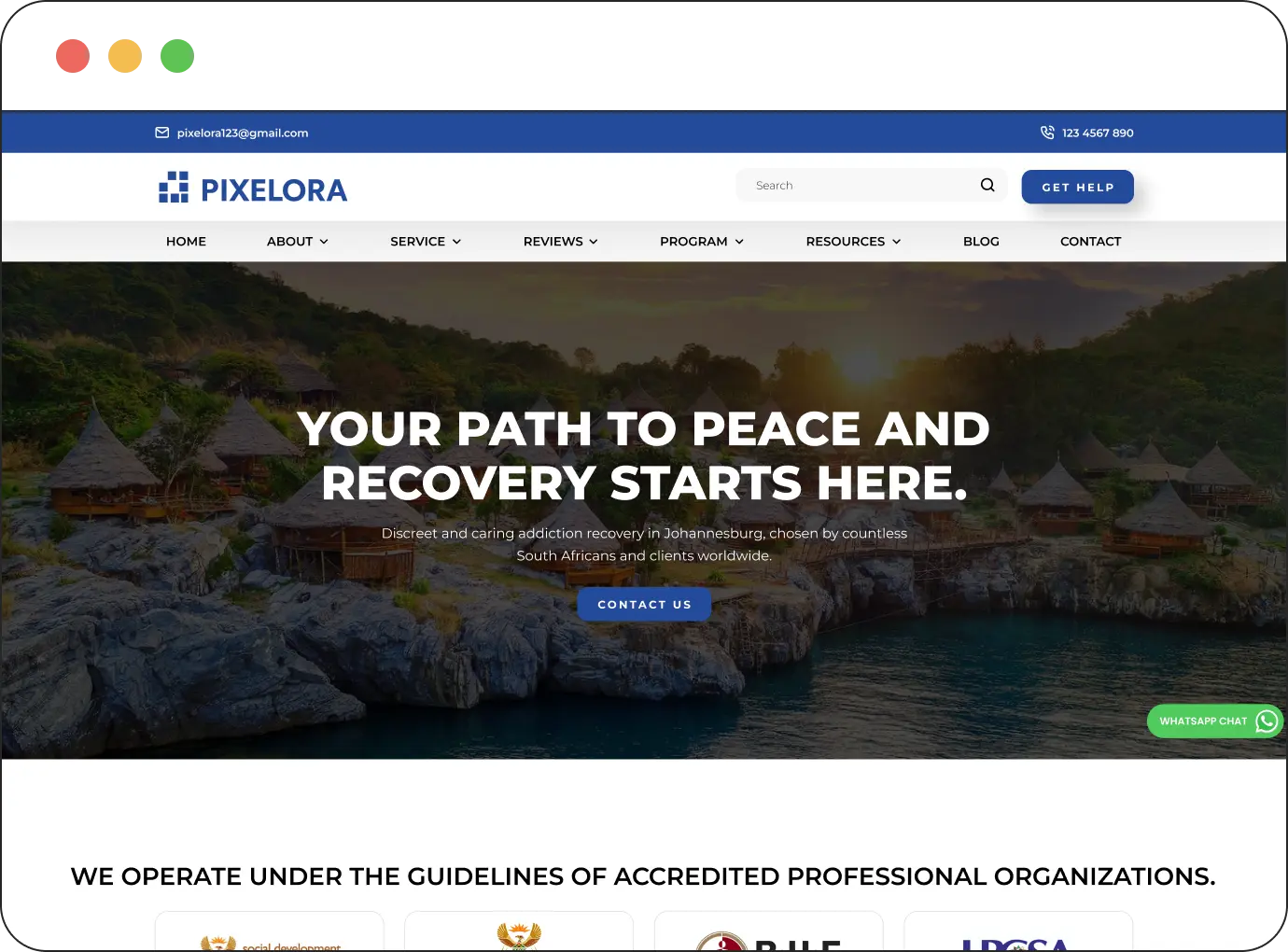
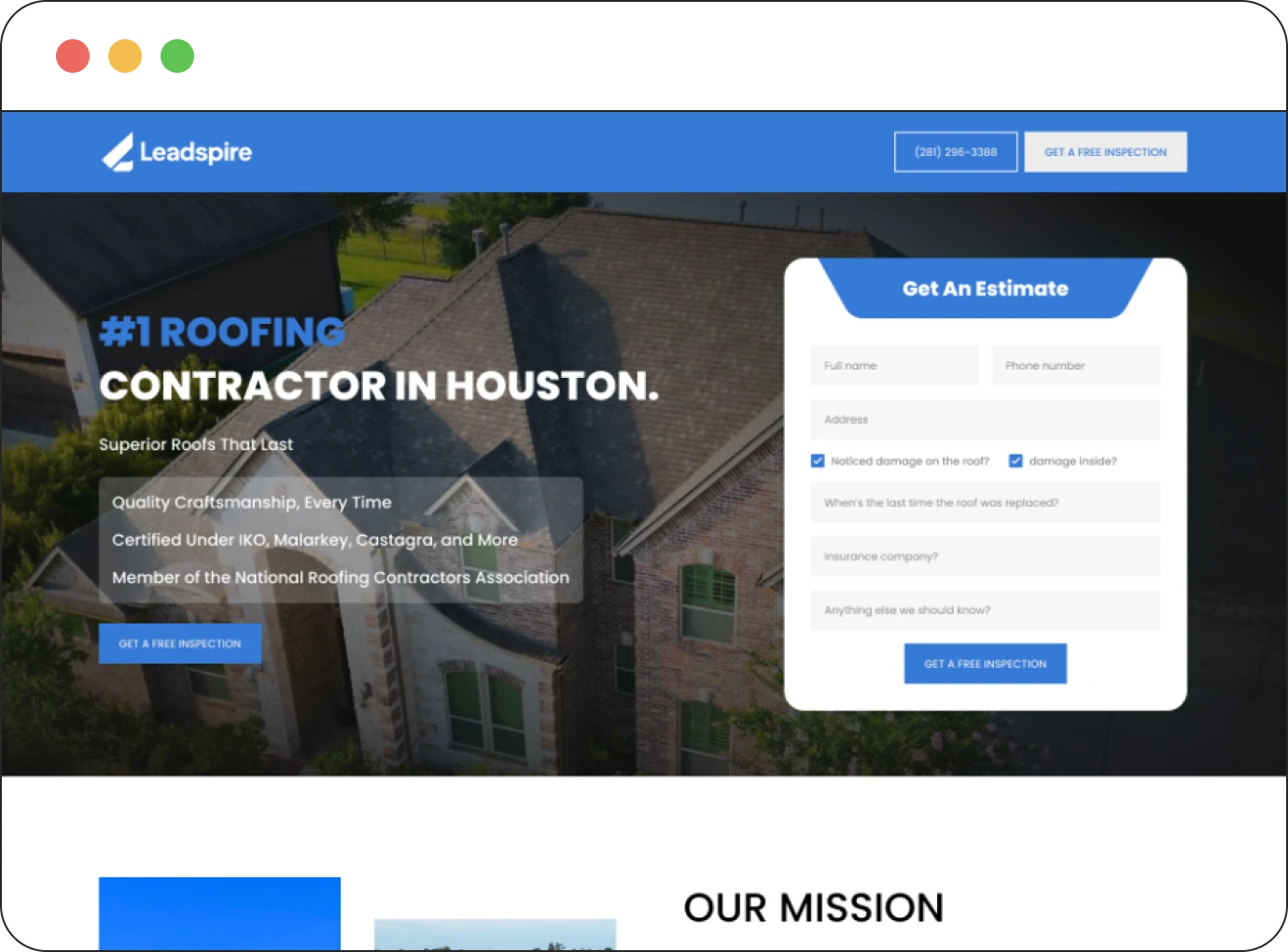
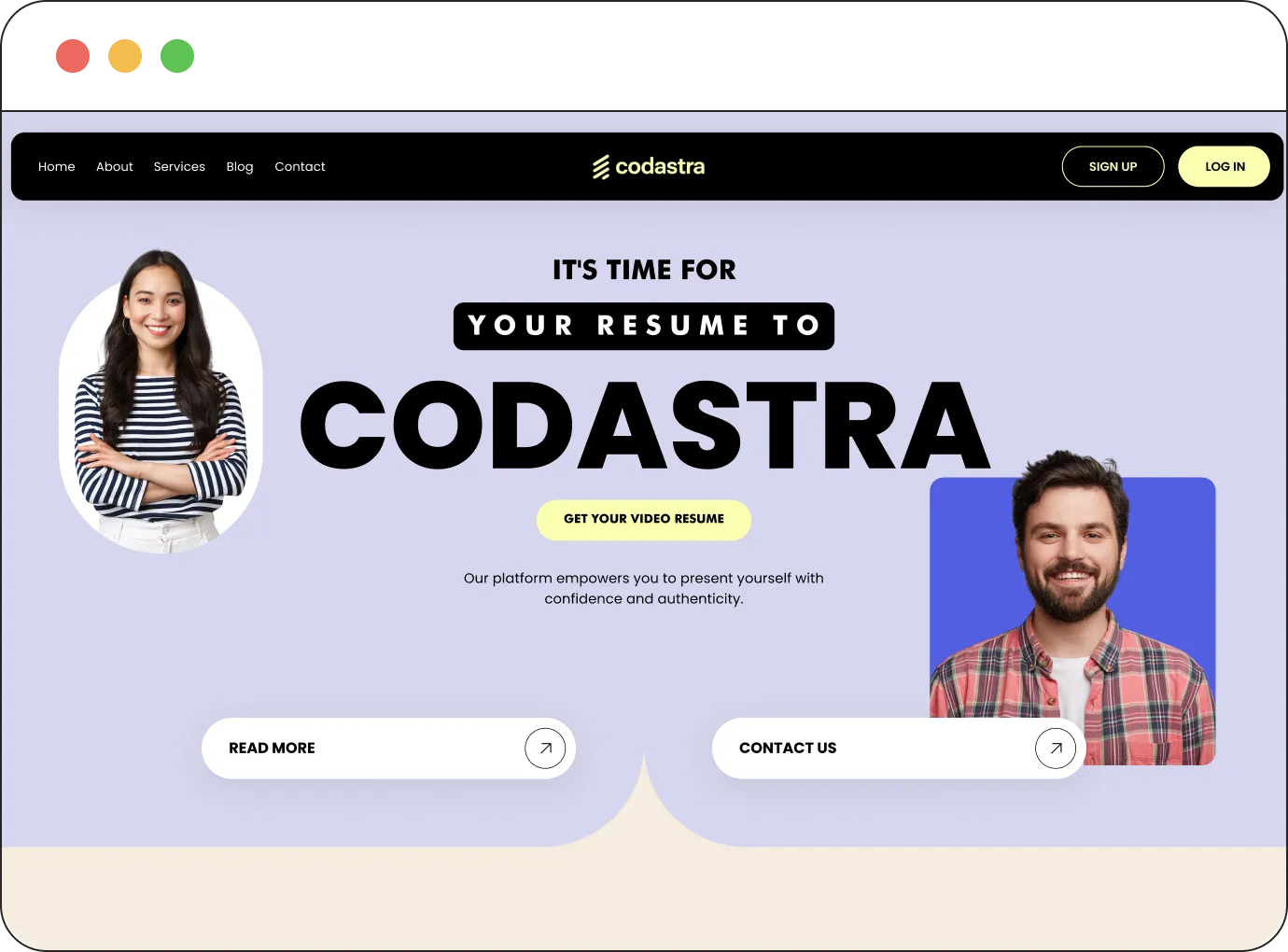
Featured Projects
Industries We Serve
Our Python developers have shipped in regulated and data-heavy sectors, so they arrive understanding the compliance rules, data constraints, and delivery pace your industry expects.





What Drives Your Cost to Hire Python Developers
The cost to hire Python developers depends on seniority, specialism, engagement model, and commitment length. Here are the main cost drivers and approximate ranges.
What Affects the Cost to Hire Python Developers
Specialism
This is the biggest driver. AI, ML, and data engineering Python roles command a premium of roughly 20-45% over backend Python roles because the talent pool is far thinner.
Seniority
Senior engineers cost more per month and usually less per feature because scope judgement prevents the rewrites that would otherwise cost more than the rate difference ever would.
Framework depth
Engineers who have shipped Django, FastAPI, or Flask in production are priced above generalists, and they are worth it when your architecture decisions are already made.
Engagement model
A full-time dedicated developer, a part-time block, and a fixed-scope project each have different pricing, and full-time gives the best rate for sustained work.
Commitment length
Longer engagements secure better monthly rates than short, intermittent work, because a developer's output compounds as codebase context builds.
Timezone overlap
Engineers with heavy overlap with your working hours can price differently, and the overlap usually pays for itself in faster iteration.
Approximate Rate Ranges
| Engagement | Approximate Rate | Best For |
| Dedicated Python developer (mid-level) | Approx. $4,000 to $6,500 per month | Backend, APIs, automation, integrations |
| Dedicated Python developer (senior or AI-specialized) | Approx. $6,500 to $10,000 per month | AI and ML, data engineering, architecture |
| Part-time or hourly | Approx. $25 to $60 per hour | Smaller or intermittent scope |
| Full Python team | Scoped per team composition | End-to-end product builds |
These are approximate ranges and depend on your requirements, including seniority, specialism, and engagement length. For context, the average US Python developer salary is roughly $122,000 per year, and the all-in cost of a mid-level US in-house hire often ranges from $180,000 to $260,000 once benefits, recruiting, and ramp are accounted for. We confirm a firm rate for your requirement in a short scoping call.
Approximate Timelines
An automation script or data extraction job typically takes approximately 1 to 2 weeks. A Django or FastAPI backend typically takes approximately 6 to 12 weeks, a data pipeline approximately 4 to 10 weeks, and an AI or ML product approximately 3 to 6 months. All depends on your requirements and integration scope.
Dedicated Developer
Tailored Talent Scaling: Python Developer Engagement Models
Choose the engagement model that fits your roadmap, and adjust it as the work evolves. You can also hire AI developers, ML developers, or full-stack developers for broader builds.
Dedicated Python Developers (Full-Time)
An engineer who works only on your project, full-time, embedded in your workflow and reporting to you. Best for sustained work where codebase context compounds sprint over sprint.
Team Extension for a Specific Gap
Add a Python specialist to your existing team to cover one gap, such as data engineering or AI, without changing how your team works. Your leads keep ownership, and our engineer fills the gap.
Full Python Development Team
A ready-formed team of Python engineers, QA, and DevOps, rather than hiring one person at a time, is useful when you need to move fast on a complete build without a long recruitment cycle.
Part-Time and Fixed-Scope Engagements
Bring on capacity for a smaller scope, or lock scope, timeline, and cost for a defined build such as an automation project or an API. No retainer and no ambiguity about what is included.
Tech Stack and Expertise
Programming
-
 Python
-
 JavaScript
-
 TypeScript
Technologies
-
 REST APIs
-
 GraphQL
-
 WebSocket
-
 JWT
JWT
Database
-
 PostgreSQL
-
 MySQL
MySQL
-
 MongoDB
-
 Redis
Redis
-
 SQLite
Testing
-
 PyTest
-
 Unittest
-
 Selenium
-
 Cypress
-
 Postman
-
 SonarQube
Framework
-
 Django
-
 Flask
Flask
-
 FastAPI
Design
-
 Figma
Figma
-
 Adobe XD
-
 Sketch
-
 Principle
-
 Zeplin
Reviews
Appreciation From Clients
"Incredible Collaboration!"
"Our journey with Cypherox Technologies was exceptional. Their dedication to understanding our needs and translating them into a stunning app was commendable. Kudos to the team for their professionalism and top-notch delivery!"

"Exceeded Expectations!"
"Cypherox not only met our expectations but surpassed them. Their attention to detail and commitment to quality shone through in every phase of app development. Thanks for bringing our vision to life!"

"A True Partner!"
"Working with Cypherox Technologies was like having a supportive partner throughout the entire process. Their proactive communication and unwavering support made the app development journey smooth and enjoyable. Highly recommended!"

"Outstanding Results!"
"Choosing Cypherox was the best decision we made for our app development. Their expertise and dedication led to outstanding results. We're thrilled with the final product!"




Strategic Next Steps
Tell us what you are building and the stack you run. We will identify which Python specialism the work needs, shortlist vetted developers, and get the right engineer working in your stack within days.

Have a Look at
Frequently Asked Questions
What type of Python developer do I need?
It depends on what you are building, and this is the most common hiring mistake. A backend engineer builds APIs in Django or FastAPI. A data engineer builds pipelines in Airflow and Spark. An ML engineer trains and deploys models in PyTorch. An automation developer writes scripts and integrations.
These are different hires with different skills. Tell us the outcome you need, and we will match the specialism rather than sending a generalist who has to learn your problem first.
How much does it cost to hire Python developers?
Hiring a dedicated Python developer costs approximately $4,000 to $6,500 per month for mid-level backend work and approximately $6,500 to $10,000 per month for senior or AI-specialized engineers, depending on your requirements. AI and ML Python carries a premium of roughly 20 to 45% over backend Python.
For comparison, an all-in mid-level US in-house Python hire typically earns $180,000 to $260,000 per year after accounting for benefits, recruiting, and ramp-up.
How long does a Python project take?
An automation script typically takes approximately 1 to 2 weeks; a Django or FastAPI backend, approximately 6 to 12 weeks; a data pipeline, approximately 4 to 10 weeks; and an AI or ML product, approximately 3 to 6 months. All depends on your requirements.
Integration scope is usually the variable that most affects timelines, which is why we review your stack before committing to one.
How quickly can Python developers start?
Vetted Python developers can usually start within days of you approving a candidate, rather than the months a direct hire takes. A direct hire also typically experiences roughly 4 to 8 weeks of reduced output during onboarding, which our engineers can compress by arriving with production experience in your stack.
Should we use Django, FastAPI, or Flask?
Django suits feature-rich web apps and multi-tenant SaaS where the batteries-included approach saves months. FastAPI is well-suited to high-throughput async APIs and AI model serving. Flask suits lightweight services and rapid prototyping.
If your architecture is already decided, we match an engineer who has shipped that framework. If it is not, we make a discovery-based recommendation based on your throughput, team, and roadmap.
Can Python developers work on AI and machine learning projects?
Some can, and many cannot, which is exactly why the distinction matters. Python is the dominant language for AI, but the gap between a general Python developer and an AI-ready engineer has widened sharply, and a strong Django developer is not automatically a strong ML engineer.
We match engineers with actual model training and deployment experience when your build needs it, rather than assuming that Python skills transfer.
What is the difference between a Python developer and a full-stack developer?
A Python developer focuses on backend logic, data processing, and services. A full-stack developer covers backend and frontend, so they can build the interface as well as the API.
If your work is backend, data, or automation, hire a Python developer. If you need the interface too, either hire a full-stack developer or pair a Python developer with a frontend specialist.
How do you vet Python developers?
We screen for shipped, maintained production systems rather than language proficiency, testing how engineers reason about scaling, caching, data modeling, and failure handling. Anyone can pass a syntax test, so we test judgment instead.
You then run your own interview and confirm the fit before anyone joins your project.
Can I hire Python developers part-time or for a single project?
Yes. You can hire a dedicated Python developer full-time, engage one part-time, commission a fixed-scope build such as an automation project or API, or bring on a full team. We match the engagement to your scope.
Do I own the code and intellectual property?
Yes. Source code, models, and documentation belong to you, with ownership defined in the contract from the start. We sign NDAs before any work begins, and there is no lock-in or ongoing dependency on Cypherox.
How do you handle data security and compliance?
Our developers work within your access controls, tools, and data policies, and for regulated work, we align with GDPR, HIPAA, and SOC 2 requirements. Engineers with compliance experience are matched specifically where your data requires it.
Can your Python developers work with our existing codebase?
Yes, and we review it before making any decisions. Our engineers work with your existing stack, conventions, and infrastructure rather than proposing a rebuild, and we identify technical debt and integration risks early so they do not surface later as delays.
Can I scale the team up or down mid-project?
Yes. You can add developers as the roadmap grows or reduce the team as it winds down, without a new recruitment cycle each time or any long-term lock-in. Capacity flexes with the work rather than with a contract term.
How will I communicate with the developer?
Your developers work in your communication tools, join your standups, and report to you directly, so they operate like your own team members. We agreed on the working-hours overlap and reporting cadence with you during onboarding.
What if the developer is not the right fit?
If a developer is not the right fit early in the engagement, we replace them at no extra cost. You keep control of the selection throughout, and we keep matching until the fit is right.
Do you provide support and maintenance after launch?
Yes. Python developers can stay on after launch for monitoring, maintenance, and iteration, or you can scale down to a smaller support window. Support terms are set per engagement rather than being forced into a single arrangement.

Contact
Talk to Us