
Our Clients





WordPress Development Services We Offer
WordPress Solutions
We have eight service lines, and each one is dealt with separately since a theme rebuild isn't the same as a WooCommerce migration.
01.
Custom WordPress Development
Custom WordPress DevelopmentWe create custom post types, taxonomies, and block patterns tailored to your editorial needs. We always use a child theme or a custom-built theme and never change the core WordPress files.
02.
Plugin Development and Custom Work
Plugin Development and Custom WorkIf there isn’t a well-maintained plugin that fits your needs, we build one for you. This removes outside dependencies and keeps your site’s logic in your own codebase.
03.
Support and Maintenance
Support and MaintenanceWe update WordPress core, plugins, and PHP on a set schedule, always testing updates on a staging site first. If a plugin flaw is made public, we run automated scans within hours. The real risk comes from delays in updating.
04.
Third-Party Integration
Third-Party IntegrationWe connect payment gateways, CRMs, marketing tools, and analytics using the REST API or plugin hooks. We keep a record of each integration and track what happens if something goes wrong.
05.
WooCommerce and eCommerce Builds
WooCommerce and eCommerce BuildsWe handle catalog structure, checkout, taxes, and payment routing. For more details, see our WooCommerce development services page.
06.
Custom Theme Development
Custom Theme DevelopmentWe build both block and classic themes to be fully responsive. We check Core Web Vitals before handing the site over to you.
07.
PSD and Design-to-WordPress Conversion
PSD and Design-to-WordPress ConversionWe convert static design files into working WordPress templates. For more about our front-end work, see our PSD to HTML development services page.
08.
Migration and Upgrades
Migration and UpgradesThe platform moves onto WordPress, plus version and PHP upgrades on live installs. Redirect maps and content parity checks are in scope, not an extra.
Why Companies Choose Cypherox for WordPress
Four things separate a maintained WordPress build from an abandoned one.
We Cap the Plugin Surface
We review every plugin for its last update, how many sites use it, and any past security issues. Many plugins are abandoned and never fixed. If a plugin does not meet our standards, we build the needed feature ourselves.
We Build in Version Control
We keep themes and custom plugins in Git and use a staging site for testing. All changes are reviewed before going live.
We Deliver the Docs
You receive the plugin list, integration map, update instructions, and full access to your site. If you bring the work in-house, you have everything you need.
We Measure Speed Instead of Claiming It
We measure Core Web Vitals before and after our work. We adjust caching, image handling, and database queries based on those results.
Projects
Featured Projects
Year
2020
Role
Website Brands
Description
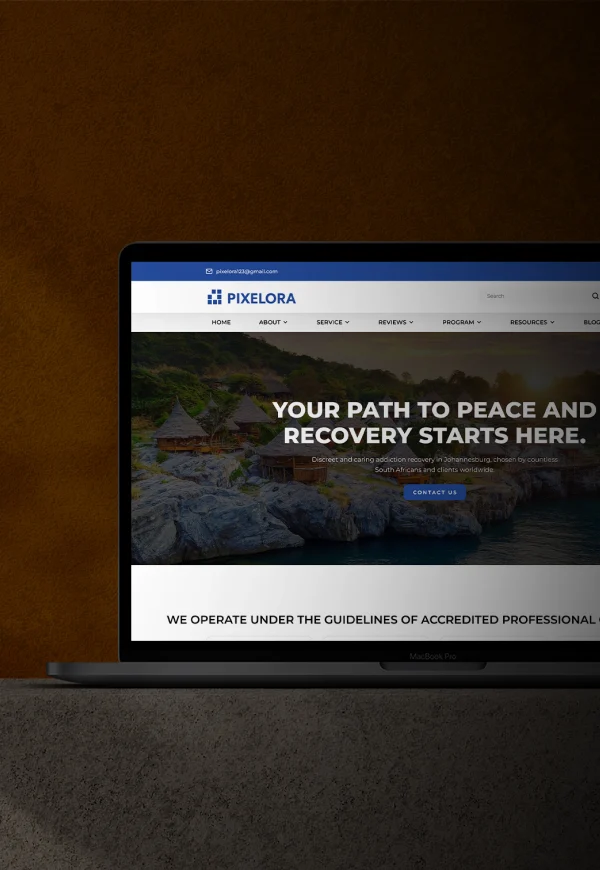
Pixelora is a creative-first digital brand built to inspire, engage, and convert through visually stunning design and seamless functionality.
All Projects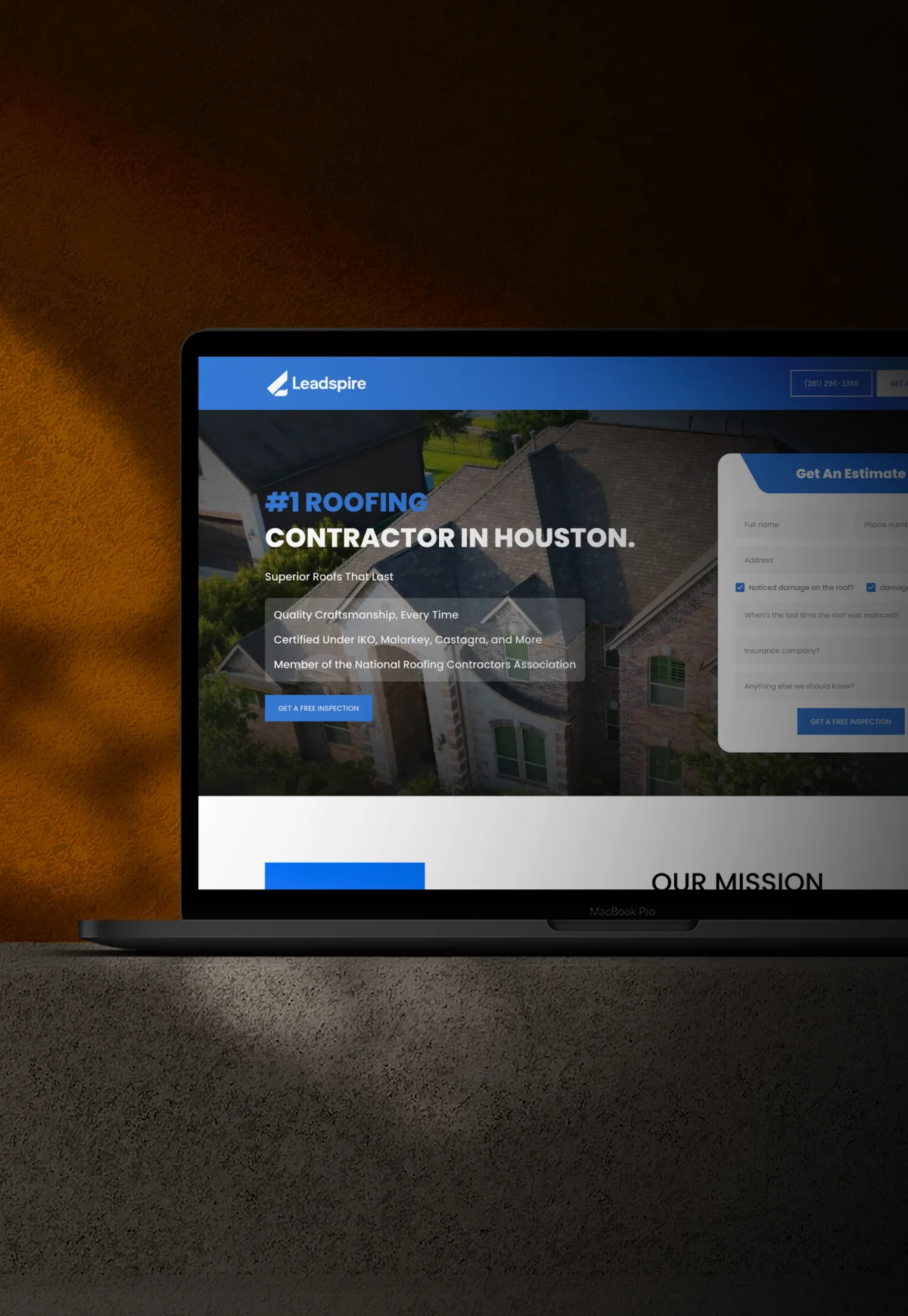
Year
2024
Role
Funnels Brands
Description
Leadspire is a smart, cross-platform sales productivity app designed to help professionals capture, manage, and convert leads more effectively.
All Projects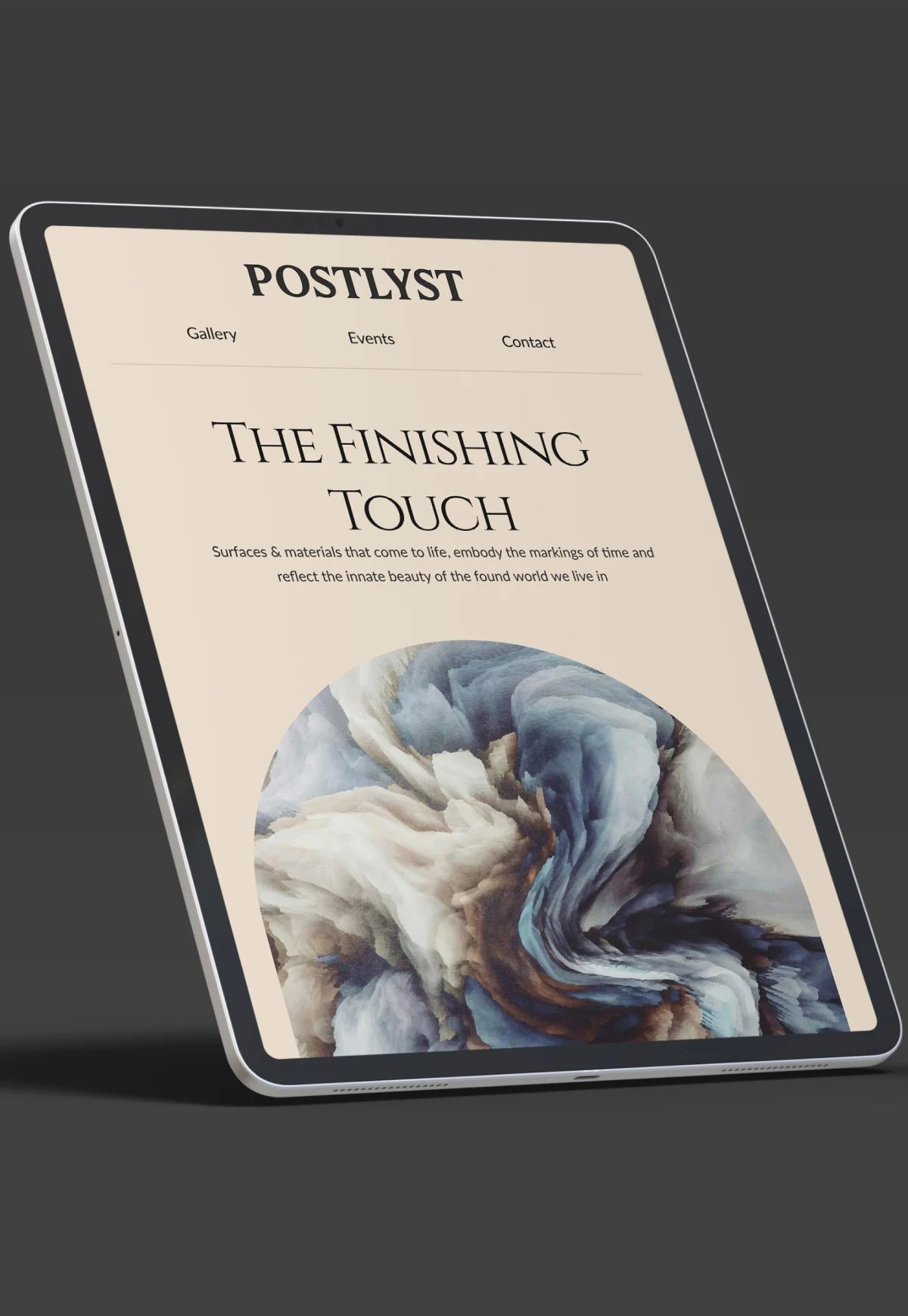
Year
2024
Role
Email Templates Brands
Description
Postlyst is a social media management platform designed to help creators, businesses, and teams plan, schedule, and analyze their content seamlessly.
All Projects
Leadspire
Postlyst
Industries We Serve
Industries We Support






What Drives Your Cost
Project cost depends on the scope, not just the number of pages. Five main factors affect pricing the most.
Template Count and Design Work
Creating ten unique templates costs more than reusing one template ten times. Using repeatable patterns is the most cost-effective option.
Custom Features
If a maintained plugin cannot handle a feature, we write, test, and support the custom code ourselves.
Integrations
Every external system we connect adds work for login, error handling, and planning for failures. Older or undocumented APIs are the most expensive to integrate.
Content Volume
Migrating 200 pages is a straightforward task. Moving 20,000 pages with matching URLs and redirect maps is a much larger project.
Post-Launch Cover
Ongoing updates, monitoring, and response times are priced separately from the initial build.
Pricing is based on your specific needs. Send us your project details, and we’ll provide a written estimate that lists all our assumptions.
How the Build Runs
Our Approach
Step 1
Discovery
We gather your content list, integration needs, and current traffic data. We make sure we agree on what “done” means before starting the build.
Step 2
Structure and design
We plan the URL structure, create a template map, and review the design. If you don’t have a design yet, we handle UI and UX design at this stage.
Step 3
Build
We develop the theme and any custom plugins in Git, working on a staging site.
Step 4
Integration and content load
We connect external systems, move your content, and set up redirects.
Step 5
Testing
We check the site across browsers, make sure it’s responsive and accessible, and test its speed. We also record Core Web Vitals on the staging site.
Step 6
Launch and handover
DNS cutover, redirect checks, live monitoring, and docs delivered.
A standard marketing site usually takes about 4 to 6 weeks to build. Projects with custom features, WooCommerce, or large migrations take 8 to 12 weeks. The timeline depends on your needs and how quickly we get content and approvals.
Tailored Talent Scaling
We offer three main ways to work with us on WordPress projects.
Project Team
This model has a fixed scope with a clear start and end date. It works best for site rebuilds, migrations, or launching a new store.
Dedicated Developers
WordPress engineers working inside your process and sprint cycle. Hire WordPress developers covers this model.
Maintenance Retainer
A standing block of hours for updates, monitoring, and small changes. This is the model most sites need, and most sites skip.
We adjust team size as needed during the project. For example, migrations require more people during content loading than during the build phase.
Tech Stack
Programming
-
 PHP
PHP
-
 JavaScript
-
 TypeScript
-
 HTML5
HTML5
-
 CSS3
CSS3
Technologies
-
 REST APIs
-
 GraphQL
-
 WooCommerce
-
 WP-CLI
Database
-
 MySQL
MySQL
-
 MariaDB
Testing
-
 PHPUnit
-
 Codeception
-
 Selenium
-
 Cypress
-
 Debug Bar
Framework
-
 WordPress Core
-
 Elementor
-
 Divi
Divi
-
 Advanced Custom Fields
-
WooCommerce
Design
-
WordPress Theme Libraries
-
 Figma
Figma
-
 Adobe XD
-
 Sketch
-
 Photoshop
Reviews
Appreciation From Clients
"Incredible Collaboration!"
"Our journey with Cypherox Technologies was exceptional. Their dedication to understanding our needs and translating them into a stunning app was commendable. Kudos to the team for their professionalism and top-notch delivery!"

"Exceeded Expectations!"
"Cypherox not only met our expectations but surpassed them. Their attention to detail and commitment to quality shone through in every phase of app development. Thanks for bringing our vision to life!"

"A True Partner!"
"Working with Cypherox Technologies was like having a supportive partner throughout the entire process. Their proactive communication and unwavering support made the app development journey smooth and enjoyable. Highly recommended!"

"Outstanding Results!"
"Choosing Cypherox was the best decision we made for our app development. Their expertise and dedication led to outstanding results. We're thrilled with the final product!"

Strategic Following Steps
Book a Technical Review
Send us your current site. We return a plugin list, a risk list, and a speed baseline.
Scope a Rebuild or Migration
Share your template map and content volume. We send back a written estimate with the assumptions stated.
Compare Platforms First
Still deciding? Our CMS development and headless development services pages set out when WordPress is the wrong answer.
FAQ
WordPress Development Services FAQ
Can WordPress handle enterprise traffic and complex sites?
Yes, with the right setup. Object caching, a CDN, database tuning, and a small plugin count matter more than the platform. Sites fail because of plugin bloat and untuned queries, not the core.
How do you keep a WordPress site secure?
We keep the plugin list short, push updates through staging on a fixed schedule, limit user roles, and watch for file changes. Nearly all WordPress breaches start in a plugin or theme, so plugin control is the main lever.
How long does a custom WordPress build take?
Around 4 to 6 weeks for a standard marketing site. Custom features, WooCommerce, or big migrations push it to 8 to 12 weeks. Content readiness and approval speed move the date more than coding does.
Can WordPress run headless with a React or Next.js front end?
Yes. The REST API or WPGraphQL feeds a separate front end while editors keep the admin they know. It adds a second codebase to maintain, so do it only when the front end demands it.
What happens after launch?
You get the plugin list, integration map, update runbook, and full access. Ongoing cover is a separate retainer for updates, monitoring, backups, and small changes. Sites with no named update owner drift out of support fast.
Do you migrate existing sites onto WordPress?
Yes. Scope includes content mapping, URL parity, redirect maps, and a post-launch crawl to catch broken paths. We baseline traffic before cutover so we can measure any drop, not argue about it.




Contact
Talk to Us