
Our Clients





Full Stack Development Specialists Cypherox Offers
Hire dedicated full-stack developers who match your real tech stack, whether that's MERN, MEAN, Python, Next.js, or Laravel. Having the right stack fit is the main reason a developer can deliver useful code quickly.
Generative AI Platforms
MERN Stack Developers
MERN Stack DevelopersOur developers are skilled in MongoDB, Express, React, and Node.js, which is the standard for JavaScript projects. Using one language throughout the stack helps avoid switching contexts and speeds up feature delivery.
MEAN Stack Developers
MEAN Stack DevelopersOur engineers use MongoDB, Express, Angular, and Node.js to build structured enterprise apps. Angular’s conventions help large teams stay consistent as the codebase grows.
Python Full Stack Developers
Python Full Stack DevelopersOur engineers combine Python backends like Django or FastAPI with React or Next.js front ends. This setup is popular because it works well for AI and data projects.
Next.js and React Full Stack Developers
Next.js and React Full Stack DevelopersOur developers use Next.js to build both server-rendered and static React apps. They handle routing, data fetching, and deployment, which is important for products that need fast load times and good search visibility.
Node.js and TypeScript Developers
Node.js and TypeScript DevelopersOur engineers build typed, maintainable backends using Node.js and TypeScript. Type safety helps catch integration bugs early, before they affect your users.
Laravel and PHP Full Stack Developers
Laravel and PHP Full Stack DevelopersOur developers use Laravel and modern PHP with Vue or React to create practical, cost-effective solutions for content-heavy platforms and business apps.
Java Full Stack Developers
Java Full Stack DevelopersOur engineers build Java backends with Spring and pair them with modern front ends. This approach is ideal for regulated and enterprise settings where stability is more important than using the latest tools.
AI-Integrated Full Stack Developers
AI-Integrated Full Stack DevelopersOur developers build products with AI features built in, connecting LLM APIs, retrieval, and assistant workflows directly into your application instead of just adding a chatbot at the end.
Full Stack Developers With DevOps Depth
Full Stack Developers With DevOps DepthOur engineers are skilled in CI/CD, containers, and cloud deployment, not just coding. This expertise is what sets apart someone who simply builds features from someone who can manage a full production system.
Why Cypherox is the Preferred Way to Hire Full Stack Developers
Hire full-stack developers who are tested on both the front and back end, matched to your specific stack, and ready to start in just a few days. They work under your direction, and you own all the code they create.
The Title Has No Floor, So We Test Instead
Full stack spans everyone from a template deployer to an architecture owner, and the label tells you nothing. Vetting matters more in this role than almost any other, which is why we test rather than trust the resume.
We Test the Request Lifecycle, Not the Framework List
A true full-stack engineer can explain how a request moves from the browser to the database and back, designs clear APIs, and knows when to use SQL or NoSQL. It’s easy to claim knowledge of frameworks, but real skill shows quickly.
Matched to Your Stack, Not Just to Your Job Title
A MERN developer and a Django-plus-React developer are both full-stack, but they are not interchangeable. We match you with developers who know your actual stack, because the right fit means faster results.
One Engineer Who Owns the Feature End to End
Our developers take a feature from the interface to deployed code without a handoff, removing the coordination overhead that slows small teams down more than any individual's coding speed.
You Direct the Work and Own the Code
Our developers use your tools, follow your priorities, and work under your direction. You own the source code, infrastructure setup, and documentation, with everything clearly stated in the contract and no lock-in.
Transparent Pricing With No Hidden Fees
You get one clear rate that covers the engineer, tools, and account management. There are no extra agency fees added later and no surprise charges during the project.
Get Your Full Stack Requirement Scoped
Tell us what you are building, the stack you run, and the timeline you are working to. We will send matched full-stack developer profiles and a firm rate within two business days, with no obligation and no sales pitch.
Projects
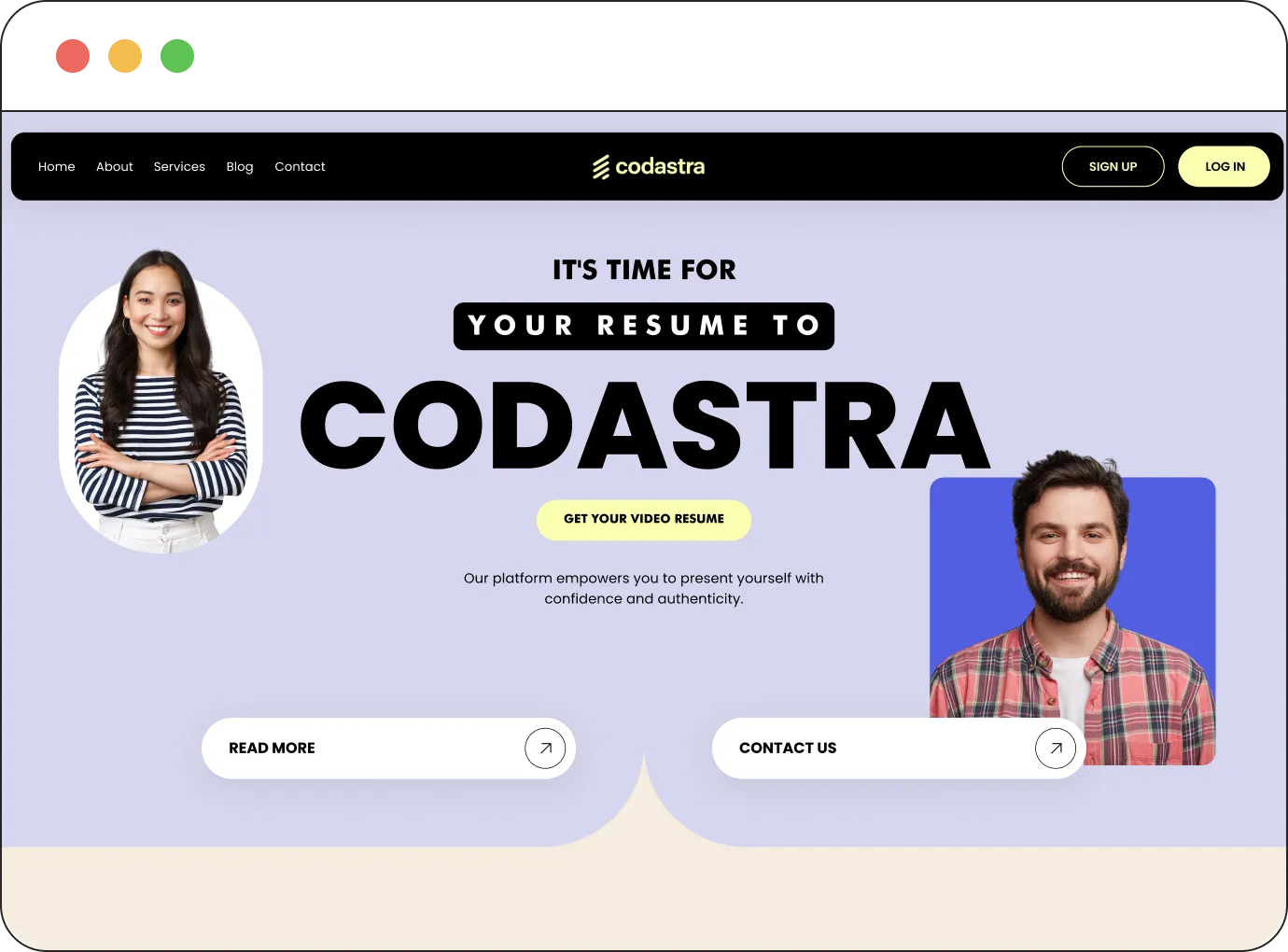
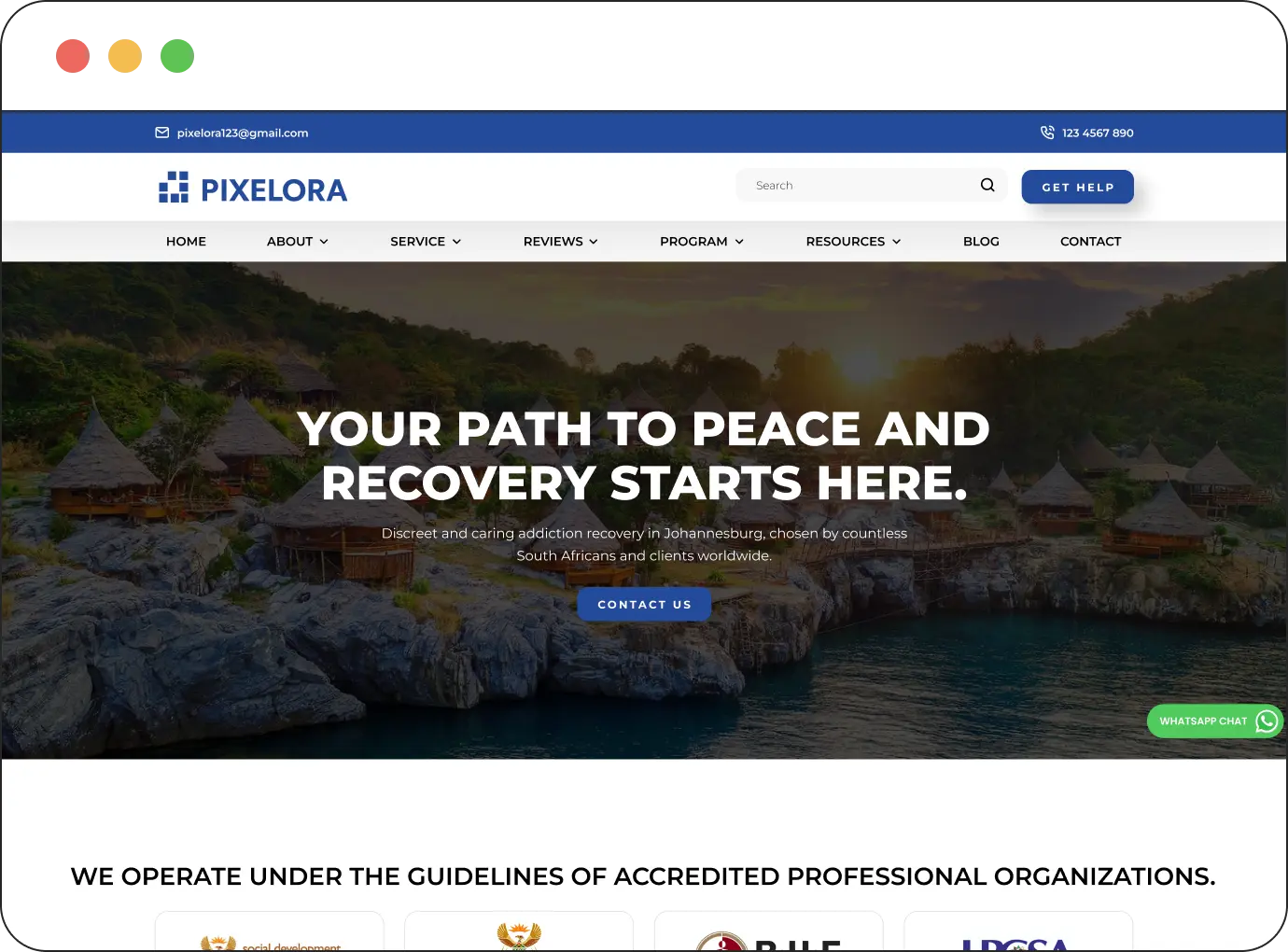
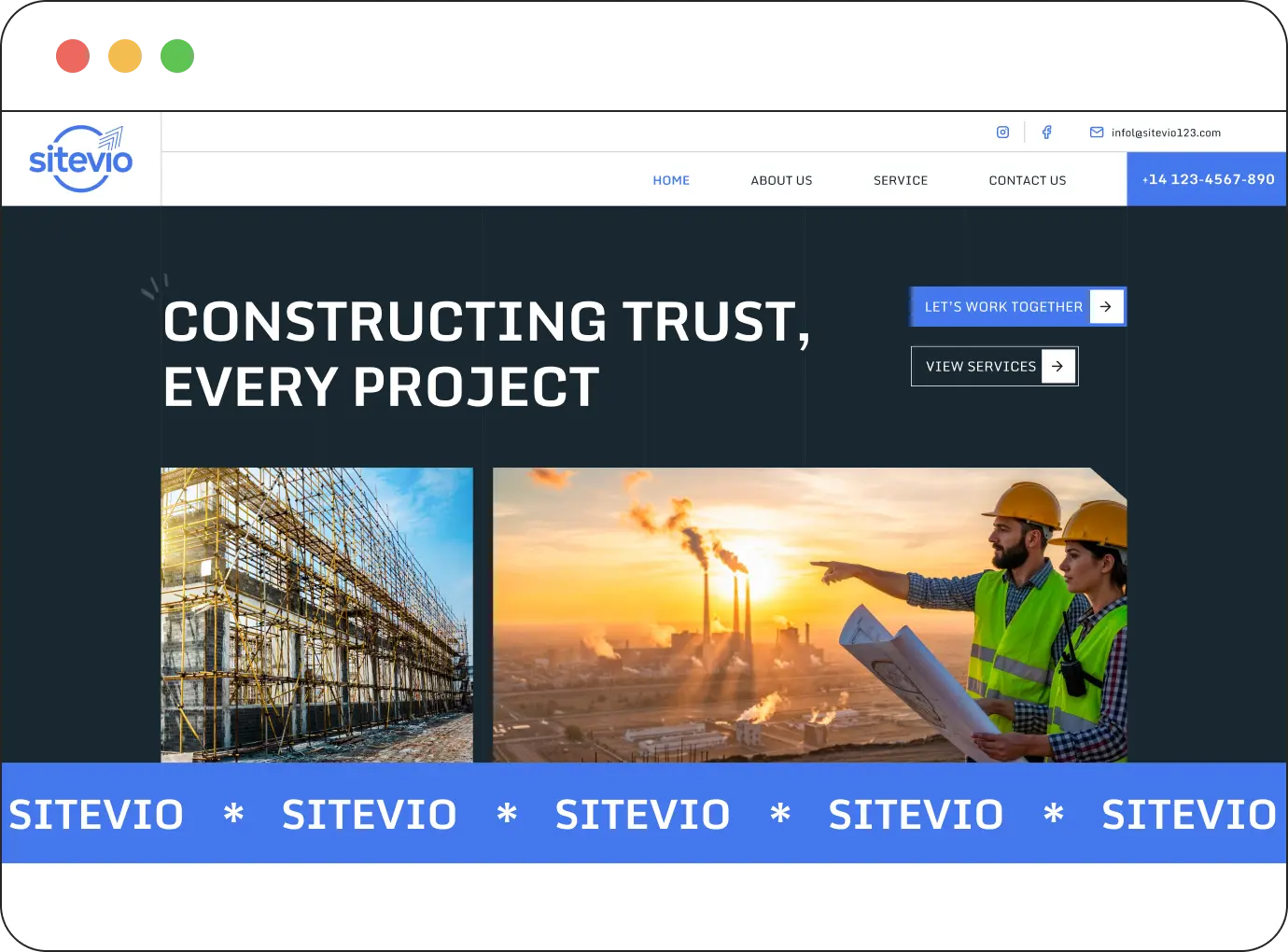
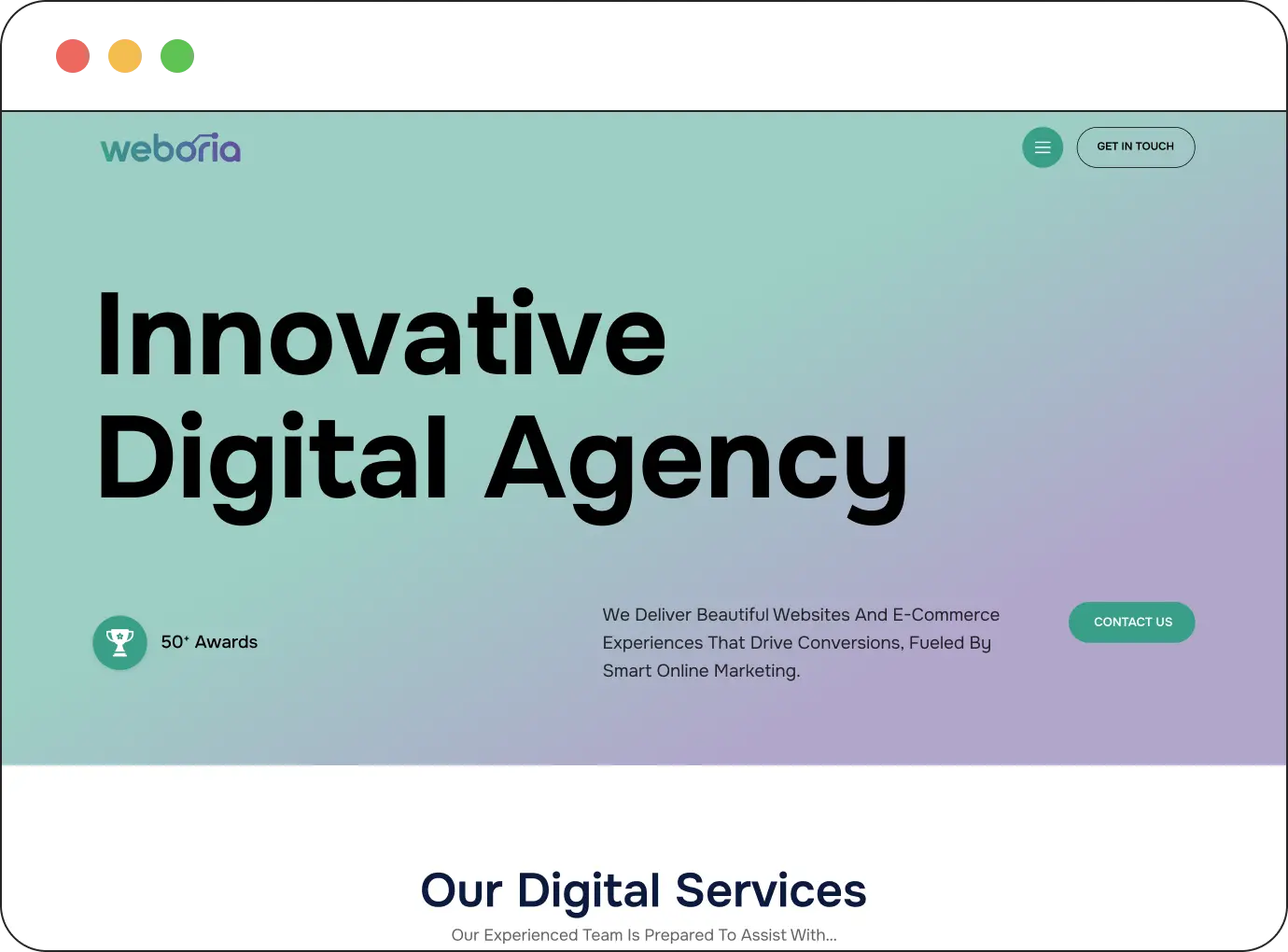
Featured Projects

Industries We Serve
Our full-stack developers have shipped in regulated and high-growth sectors, so they arrive understanding the compliance rules, integrations, and delivery pace your industry expects.





What Drives Your Cost to Hire Full Stack Developers
The cost to hire full-stack developers depends on their experience level, your tech stack, DevOps skills, and the type of engagement. Here are the main factors and typical price ranges.
What Affects the Cost to Hire Full Stack Developers
Seniority and system thinking
Senior engineers may cost more each month, but they often deliver features more efficiently. Their experience helps avoid costly rewrites, saving money in the long run.
Stack composition
Python with React is the most expensive, MERN and MEAN are mid-range, and Laravel with Vue is more affordable. The stack you choose affects the rate more than the developer’s years of experience.
DevOps depth
Engineers who can deploy and manage what they build cost more than those who only write code, but they save you from needing to hire someone else for operations.
AI integration
Full-stack developers who embed AI features carry a premium because the pool of engineers who can do both product and AI work is genuinely thin.
Engagement model
A full-time dedicated developer, a part-time block, and a fixed-scope project each have different pricing; full-time offers the best rate for sustained work.
Commitment length
Longer projects get better monthly rates than short or occasional work, since developers become more productive as they learn your codebase.
Approximate Rate Ranges
| Engagement | Approximate Rate | Best For |
| Dedicated full stack developer (mid-level) | Approx. $4,500 to $7,000 per month | Feature delivery, MVPs, ongoing builds |
| Dedicated full stack developer (senior) | Approx. $7,000 to $11,000 per month | Architecture, DevOps depth, AI integration |
| Part-time or hourly | Approx. $30 to $65 per hour | Smaller or intermittent scope |
| Full product team | Scoped per team composition | End-to-end product builds |
These are rough estimates and depend on your needs, such as experience level, tech stack, and project length. Full-stack rates are usually 10 to 15% higher than single-discipline developers, but they can replace two hires. For reference, the average US full-stack salary is about $123,000, and hiring in-house often costs $160,000 to $280,000 per year. We’ll confirm your exact rate after a short call.
Approximate Timelines
A single feature or module usually takes 2 to 6 weeks, an MVP takes 8 to 16 weeks, and a full production web app takes 3 to 6 months. Timelines depend on your needs, and integration work affects timing more than the number of features.
Dedicated Developer
Tailored Talent Scaling: Full Stack Developer Engagement Models
Pick the engagement model that matches your roadmap, and adjust it as your needs change. You can also hire front-end, back-end, or AI specialists if that’s a better fit.
Dedicated Full Stack Developers (Full-Time)
A full-time engineer works only on your product, is part of your workflow, and reports directly to you. This is best for ongoing work where knowledge of your codebase grows over time.
Team Extension for a Specific Gap
Add a full-stack engineer to your team to boost capacity or fill a skills gap, without changing your current workflow. Your team leads stay in charge, and our engineer fills in where needed.
Full Product Team
A ready-made team of full-stack engineers, QA, and DevOps can help you launch a complete product quickly, without the long process of hiring one person at a time.
Part-Time and Fixed-Scope Engagements
Add extra help for a smaller project, or set a fixed scope, timeline, and cost for a specific build like an MVP or feature module. There’s no retainer and no confusion about what’s included.
Tech Stack and Expertise
Programming
-
 JavaScript
-
 TypeScript
-
 Python
-
 Java
Java
-
 PHP
PHP
-
 Ruby
Ruby
Technologies
-
 REST APIs
-
 GraphQL
-
 WebSocket
-
 JWT
JWT
Database
-
 PostgreSQL
-
 MySQL
MySQL
-
 MongoDB
-
 Redis
Redis
-
 SQLite
Testing
-
 Jest
Jest
-
 Mocha
Mocha
-
 Selenium
-
 Cypress
-
 Postman
-
 SonarQube
Framework
-
 React.js
-
 Angular
-
 Vue.js
-
 Node.js
-
 Django
-
 Spring Boot
-
 Laravel
Design
-
 Figma
Figma
-
 Adobe XD
-
 Sketch
-
 Principle
-
 Zeplin
Reviews
Appreciation From Clients
"Incredible Collaboration!"
"Our journey with Cypherox Technologies was exceptional. Their dedication to understanding our needs and translating them into a stunning app was commendable. Kudos to the team for their professionalism and top-notch delivery!"

"Exceeded Expectations!"
"Cypherox not only met our expectations but surpassed them. Their attention to detail and commitment to quality shone through in every phase of app development. Thanks for bringing our vision to life!"

"A True Partner!"
"Working with Cypherox Technologies was like having a supportive partner throughout the entire process. Their proactive communication and unwavering support made the app development journey smooth and enjoyable. Highly recommended!"

"Outstanding Results!"
"Choosing Cypherox was the best decision we made for our app development. Their expertise and dedication led to outstanding results. We're thrilled with the final product!"




Strategic Next Steps
Let us know what you’re building and your tech stack. We’ll send you a shortlist of vetted full-stack developers, arrange interviews, and get the right engineer working with you in days. If a specialist is a better fit, we’ll tell you up front.

Have a Look at
Frequently Asked Questions
What does "full stack" actually mean, and how do I know a candidate really is one?
'Full stack' means one engineer can take a feature from interface to deployed code: front end, back end, database, and API. The problem is that the title has no floor, so it covers both a template deployer and an architecture owner.
Test the request lifecycle. Ask a candidate to walk you through what happens from a browser click to a database write and back, and ask when they would choose SQL over NoSQL. Real breadth answers cleanly. Claimed breadth does not.
How much does it cost to hire full-stack developers?
Hiring a dedicated full-stack developer costs approximately $4,500 to $7,000 per month for mid-level and approximately $7,000 to $11,000 per month for senior engineers, depending on your requirements. Stack composition and DevOps depth move the rate the most.
For comparison, an in-house US full-stack hire typically costs $160,000 to $280,000 per year, including base salary, recruiting fees, and benefits.
Is one full-stack developer cheaper than separate front-end and back-end developers?
Usually yes. A full-stack developer costs roughly 10 to 15% more per hour than a single specialist but replaces two hires, so the monthly cost of one full-stack engineer typically lands well below two specialists.
The larger saving is coordination. One engineer owning a feature end-to-end removes the handoffs, waiting, and misalignment that slow small teams more than raw coding speed ever does.
When should I not hire a full-stack developer?
When your problem is deep rather than wide. A complex single-layer challenge, such as a high-scale database, a demanding front-end interaction, or production ML, is better served by a specialist who has spent years in that layer.
Full stack wins for startups, MVPs, and lean teams shipping features end-to-end. If your bottleneck is depth in one place, we will point you to the right specialist instead.
What is the difference between front-end, back-end, and full-stack developers?
A front-end developer builds what users see and interact with. A back-end developer builds servers, APIs, and databases. A full-stack developer does both and can ship a feature on their own.
If you need one layer done deeply, hire the specialist. If you need features shipped end-to-end without handoffs, hire full-stack. We will tell you what your roadmap actually calls for.
Which stack should we use: MERN, MEAN, Python, or Laravel?
MERN is the default for JavaScript and suits most products, with a single language across the stack. MEAN suits structured enterprise apps where Angular's conventions help larger teams. Python with React is the strongest choice if AI or data work is on your roadmap. Laravel with Vue is the most cost-efficient for content-heavy platforms.
If your stack is already decided, we match engineers who have shipped it. If not, we recommend based on your roadmap, team, and hiring plans rather than fashion.
How long does a full-stack project take?
A single feature typically takes approximately 2 to 6 weeks, an MVP approximately 8 to 16 weeks, and a full production web application approximately 3 to 6 months. All depends on your requirements.
Integration scope moves timelines more than feature count, which is why we review your systems before committing to a date.
How quickly can full-stack developers start?
Vetted full-stack developers can usually start within days of you approving a candidate. For comparison, hiring in-house directly typically takes roughly 45 to 90 days end-to-end before the ramp even begins.
How do you vet full-stack developers?
We test real depth on both ends of the stack and the deployment between them, focusing on system thinking rather than framework recall. That means request lifecycle, API design, data modeling choices, and how someone handles failure in production.
Vetting matters more in this role than almost any other, because the title itself guarantees nothing. You then run your own interview before anyone joins your team.
Can your full-stack developers work with our existing codebase?
Yes, and we review it before making any decisions. Our engineers work within your existing stack, conventions, and infrastructure rather than proposing a rebuild, and we surface technical debt and integration risks early, not as week-three surprises.
Can I hire full-stack developers part-time or for a single project?
Yes. You can hire a dedicated full-stack developer full-time, engage one part-time, commission a fixed-scope build such as an MVP, or bring on a full product team. We match the engagement to your scope.
Do I own the code and intellectual property?
Yes. Source code, infrastructure configuration, and documentation belong to you, with ownership defined in the contract from the start. We sign NDAs before any work begins, and there is no lock-in or ongoing dependency on Cypherox.
How do you handle data security and compliance?
Our developers work within your access controls, tools, and data policies, and for regulated work, we align with GDPR, HIPAA, and SOC 2 requirements. Engineers with compliance experience are matched specifically where your product requires it.
Can I scale the team up or down mid-project?
Yes. You can add developers as the roadmap grows or reduce the team as it winds down, without a new recruitment cycle each time or any long-term lock-in. Capacity flexes with the work rather than with a contract term.
How will I communicate with the developer?
Your developers work in your communication tools, join your standups, and report to you directly, so they operate like your own team members. We agree on working-hours overlap and reporting cadence with you during onboarding.
What if the developer is not the right fit?
If a developer is not the right fit early in the engagement, we replace them at no extra cost. You keep control of the selection throughout, and we keep matching until the fit is right.
Do you provide support and maintenance after launch?
Yes. Full-stack developers can stay on after launch for monitoring, maintenance, and iteration, or you can scale down to a smaller support window. Support terms are set per engagement rather than being forced into a single arrangement.

Contact
Talk to Us