
Our Clients





Machine Learning Development Specialists Cypherox Offers
Hire dedicated machine learning developers with skills tailored to your project requirements, including predictive modelling, deep learning, MLOps, computer vision, and NLP. Each developer has a track record of successful production deployments.
Generative AI Platforms
Why Cypherox is the Preferred Way to Hire Dedicated ML Developers
Hire ML developers vetted for production deployment rather than solely for credentials. They integrate quickly, work under your direction, offer transparent pricing, and ensure you retain ownership of all models, pipelines, and code.
Vetted for Production, Not Notebooks
Many machine learning hires struggle to maintain models in production. We screen for experience with deployed and monitored systems, ensuring you interview engineers with proven deployment records.
MLOps Built In, Not Bolted On
Our engineers incorporate versioning, monitoring, and retraining from the outset. Without a robust operations layer, models can degrade unnoticed, leading to costly failures.
Ramp in Days, Not a Hiring Cycle
You receive a vetted ML developer within days, compared to the months required for a direct hire and the additional time typically needed for new engineers to reach full productivity.
Data Readiness Assessed First
We assess the suitability of your data before model development begins. Many failed machine learning projects stem from data issues, which we identify early in the process.
You Direct the Work and Own the Models
Our developers work in your tools, on your priorities, and under your direction. Trained models, pipelines, code, and data belong to you, with ownership set in the contract from day one and no lock-in.
Transparent Pricing With No Hidden Fees
We offer a single transparent rate that includes the engineer, tooling, and account management. Compute and data costs are identified upfront to prevent unexpected expenses related to GPU usage and data labeling.
Get Your ML Requirement Scoped
Share your model requirements, available data, and desired timeline. We will provide matched ML developer profiles and a firm rate within two business days, with no obligation or sales pressure.
Projects
Featured Projects

Year
2020
Role
Mobile App Development
Description
Swiftlyst is a smart, cross-platform productivity app designed to help users organize, prioritize, and accomplish their tasks seamlessly across iOS and Android.
All Projects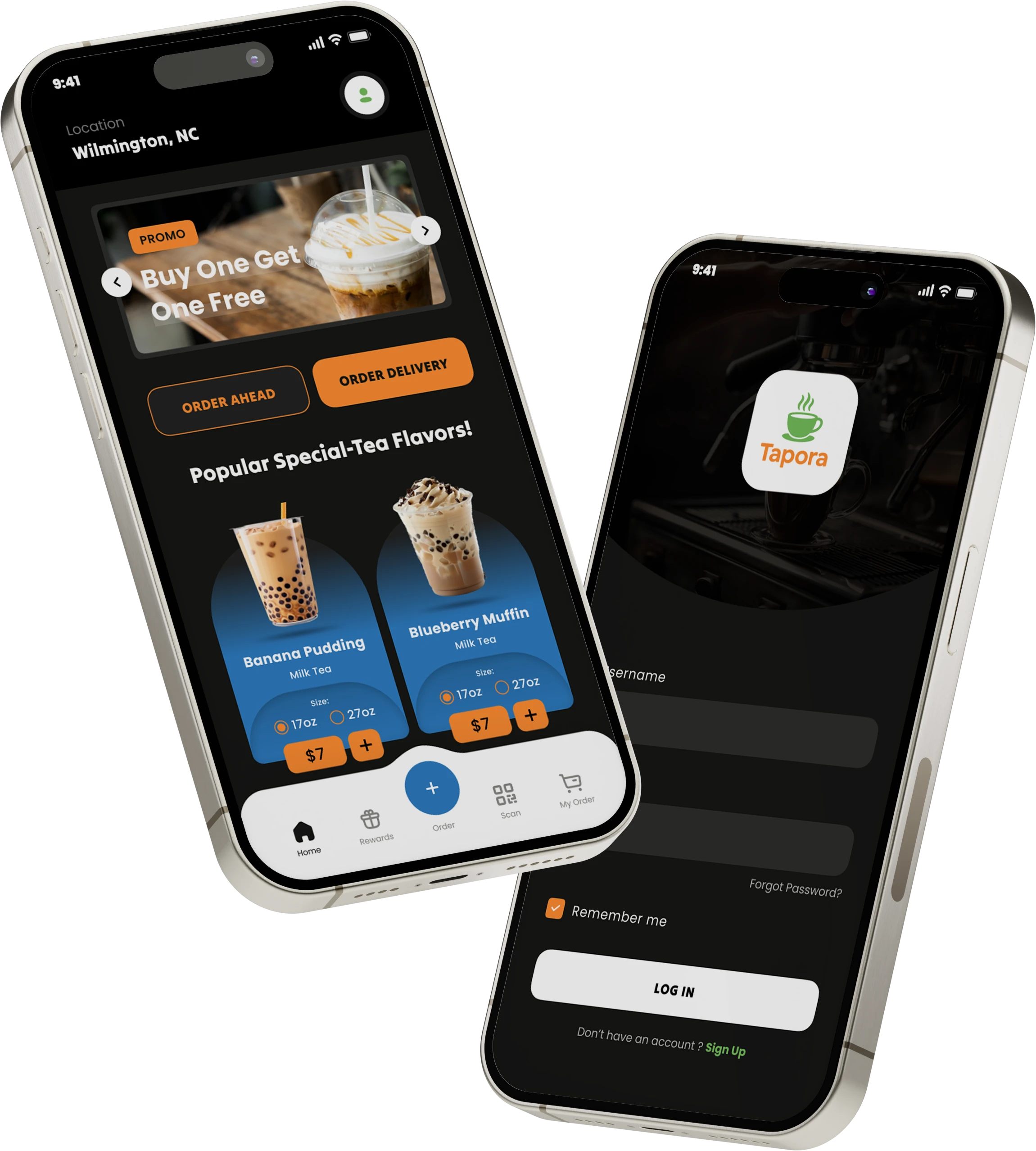
Year
2025
Role
Mobile App Development
Description
Tapora is a sleek, cross-platform mobile app built for both iOS and Android, designed to deliver a smooth, intuitive, and engaging user experience.
All Projects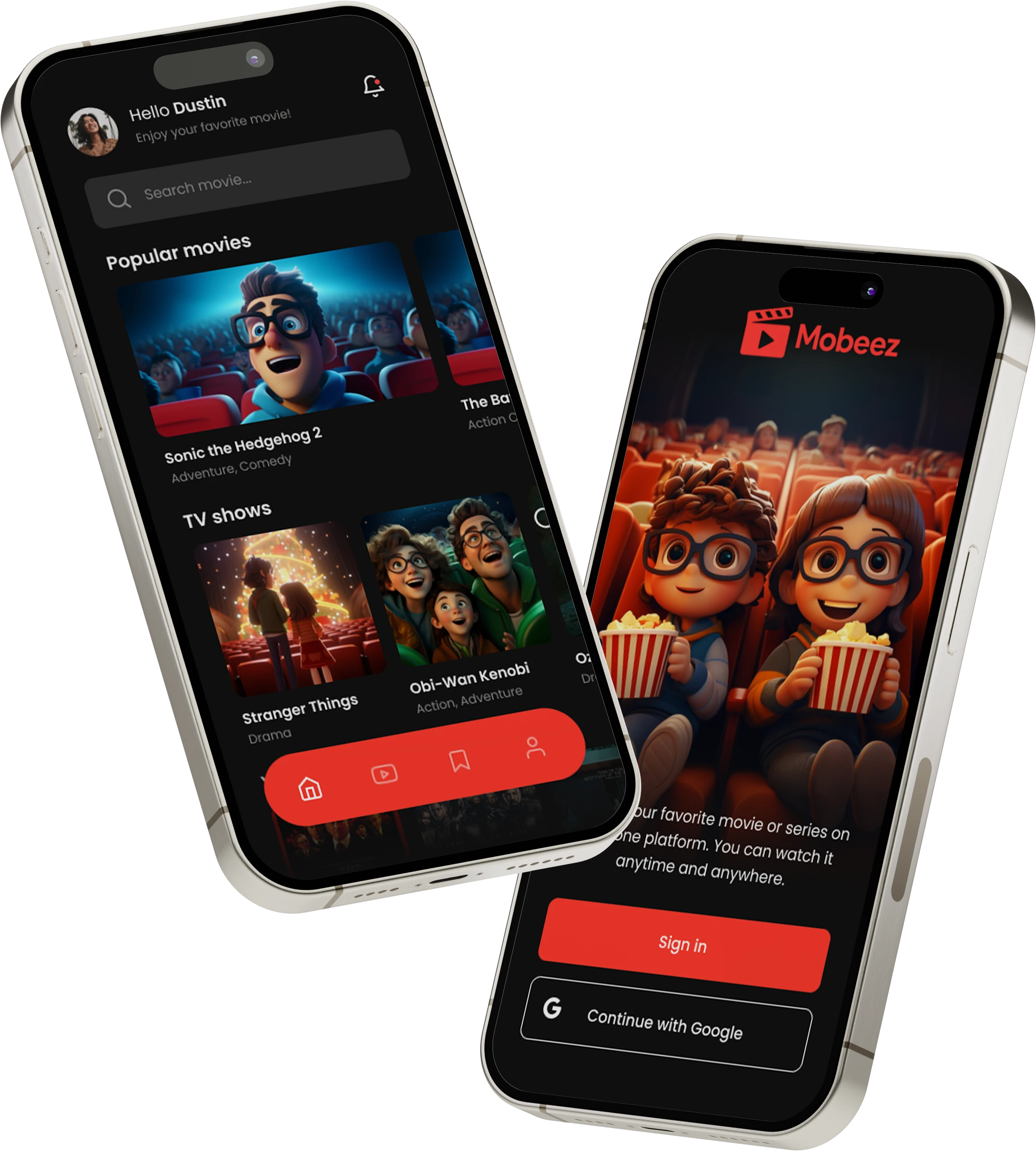
Year
2022
Role
Mobile App Development
Description
Mobeez is a dynamic, cross-platform mobile solution built to empower businesses with on-the-go service management and customer engagement.
All Projects
Tapora
Mobeez
Industries We Serve
Our ML developers have experience deploying models in regulated and data-intensive sectors, bringing an understanding of industry-specific data constraints, compliance requirements, and accuracy standards.





What Drives Your Cost to Hire ML Developers
The cost to hire ML developers is influenced by seniority, specialisation, data readiness, compliance requirements, and engagement model. Below are the main cost drivers and approximate monthly ranges.
What Affects the Cost to Hire ML Developers
01
Seniority
Senior engineers with production deployment and monitoring experience command higher monthly rates but often deliver better outcomes, reducing long-term costs associated with model failures.
02
Specialisation
In-demand skills such as MLOps, computer vision, and LLMs typically command a 30-50% premium over generalist machine learning roles.
03
Data readiness
Clean, labelled data lowers cost. Scattered or unlabelled data means spending on pipelines and labelling before modelling starts, and labelling is often the hidden line item.
04
Compliance scope
Experience with HIPAA, GDPR, or SOC 2 data increases rates due to a smaller talent pool and the additional audit and documentation requirements for regulated projects.
05
Compute
GPU training and inference are billed separately from engineering services. Costs are driven by model size, retraining frequency, and traffic, with early architectural decisions affecting ongoing expenses.
06
Engagement model
Pricing varies for full-time dedicated engineers, part-time engagements, and full ML teams. Full-time arrangements typically offer the best rates for ongoing work.
Approximate Rate Ranges
| Engagement | Approximate Rate | Best For |
| Dedicated ML developer (mid-level) | Approx. $6,000 to $9,000 per month | Predictive models, NLP, data pipelines |
| Dedicated ML developer (senior or specialist) | Approx. $9,000 to $14,000 per month | MLOps, computer vision, deep learning |
| Part-time or hourly | Approx. $40 to $85 per hour | Smaller or intermittent scope |
| Full ML team | Scoped per team composition | End-to-end model builds |
These ranges are approximate and depend on your specific requirements, such as seniority, specialisation, data readiness, and compliance scope. For reference, US ML engineer salaries range from $128,000 to $186,000 in base pay, excluding benefits, recruiting, and compute costs. We confirm a firm rate for your needs during a brief scoping call.
Approximate Timelines
A proof-of-concept model typically takes 4 to 8 weeks, and a production-grade model with monitoring and retraining takes 3 to 6 months. Both depend on your requirements, and the biggest variable is data readiness rather than model complexity.
Dedicated Developer
Tailored Talent Scaling: ML Developer Engagement Models
Select the engagement model that aligns with your project roadmap and adjust as needed. You may also hire AI developers, Python developers, or data analytics specialists for broader initiatives.
Dedicated ML Developers (Full-Time)
An engineer who works only on your project, full-time, embedded in your workflow and reporting to you. Best for sustained machine learning work where model context and data knowledge compound.
Team Extension for a Specific Gap
Add an ML specialist to your existing engineering or data team to address a specific gap, such as MLOps or computer vision, without altering your team's workflow. Your team retains full ownership.
Full ML Team
A pre-assembled team of machine learning engineers, data engineers, and MLOps specialists is available when you need to progress from data to a deployed model within a fixed timeline.
Part-Time and Fixed-Scope Engagements
Engage additional capacity for smaller projects, model audits, or proofs of concept, with scope, timeline, and cost agreed upon in advance and no retainer required.
Tech Stack and Expertise
Programming
-
 Python
-
 R
R
-
 Java
Java
Technologies
-
 TensorFlow
-
 PyTorch
-
 Scikit-learn
-
 Pandas
-
 NumPy
NumPy
Database
-
 PostgreSQL
-
 MongoDB
-
 Redis
Redis
Testing
-
 PyTest
-
TensorFlow Testing
-
 SonarQube
Framework
-
TensorFlow
-
PyTorch
-
Scikit-learn
-
 FastAPI
Design
-
 Figma
Figma
-
 Adobe XD
-
 Zeplin
Reviews
Appreciation From Clients
"Incredible Collaboration!"
"Our journey with Cypherox Technologies was exceptional. Their dedication to understanding our needs and translating them into a stunning app was commendable. Kudos to the team for their professionalism and top-notch delivery!"

"Exceeded Expectations!"
"Cypherox not only met our expectations but surpassed them. Their attention to detail and commitment to quality shone through in every phase of app development. Thanks for bringing our vision to life!"

"A True Partner!"
"Working with Cypherox Technologies was like having a supportive partner throughout the entire process. Their proactive communication and unwavering support made the app development journey smooth and enjoyable. Highly recommended!"

"Outstanding Results!"
"Choosing Cypherox was the best decision we made for our app development. Their expertise and dedication led to outstanding results. We're thrilled with the final product!"




Strategic Next Steps
Share your model requirements and available data. We will shortlist vetted ML (machine learning) developers, arrange interviews, and have engineers working in your environment within days or provide honest feedback if your data are not yet ready.

Have a Look at
Frequently Asked Questions
What is the difference between an ML engineer, a data scientist, and an AI engineer?
An ML engineer builds and deploys models that run in production, combining software engineering with modelling. A data scientist focuses on exploration, statistical analysis, and prototyping, usually stopping at the notebook. An AI engineer typically works with foundation models and LLMs rather than training models from your data.
If you need a model running reliably in your product, hire an ML engineer. If you need to know whether a model is possible at all, start with a data scientist.
How much does it cost to hire a machine learning developer?
Hiring a dedicated machine learning developer costs approximately $6,000 to $9,000 per month for mid-level and approximately $9,000 to $14,000 per month for senior or specialist engineers, depending on your requirements. Scarce skills such as MLOps and computer vision sit at the higher end.
For comparison, US ML engineer salaries run roughly $128,000 to $186,000 in base pay before benefits, recruiting, and compute. Compute and label data separately for each model, so we can flag them in scoping.
How long does it take to build a machine learning model?
A proof-of-concept model typically takes 4 to 8 weeks, and a production-grade model with monitoring and retraining takes 3 to 6 months. Both depend on your requirements.
The biggest variable is not model complexity; it is data readiness. Projects that stall almost always stall on data, which is why we assess it before anyone starts building.
How quickly can ML developers start?
Vetted ML developers can usually start within days of you approving a candidate, rather than the months a direct hire takes. A new in-house ML engineer also needs roughly 60 to 120 days to reach full output in a new environment, which our engineers shorten by bringing deployment experience.
Do we have enough data to build a machine learning model?
Possibly, and it is the first thing we check. Useful models need data that reflects real behaviour, sufficient volume for the problem, and labels when the task is supervised, but a smaller, clean dataset often beats a large, messy one.
If your data is not ready, we will tell you before you spend on modeling, and we will first scope the pipeline and labelling work needed.
How do you make sure the model actually reaches production?
We design for deployment from the first decision rather than treating it as a final step, including serving architecture, latency targets, monitoring, and retraining. Most models that die in a notebook die because nobody planned the operations layer.
We also set the accuracy and business criteria during discovery, so there is an agreed-upon bar the model must meet before it ships.
What happens when model accuracy drops after launch?
Models lose accuracy as real-world data shifts, a problem called model drift, and it is the most expensive failure in machine learning because it is silent. We monitor performance after launch and set retraining triggers so degradation is caught before it reaches your users.
Retraining cadence is set per engagement based on how fast your data changes.
How do you vet ML developers?
We screen for production deployments, not certifications: models shipped, monitored, and maintained in a real environment. Many strong ML engineers come from physics, mathematics, or software backgrounds rather than formal ML programs, so we test capability rather than credentials.
You then run your own interview and confirm the fit before anyone joins your project.
Can I hire ML developers part-time or for a single project?
Yes. You can hire a dedicated ML developer full-time, engage one part-time, commission a proof of concept or model audit, or bring on a full ML team. We match the engagement to your scope rather than forcing a single arrangement.
Do I own the trained models, code, and data?
Yes. Trained models, pipelines, source code, and data belong to you, with ownership defined in the contract from the start. We sign NDAs before any data is shared, and your data is never used to train models for anyone else.
How do you handle data security and compliance?
We work within your access controls, tools, and data policies, and for regulated builds, we align with GDPR, HIPAA, and SOC 2 requirements from the first technical decision. Engineers with compliance experience are matched specifically where your data requires it.
Can your ML developers work with our existing data infrastructure?
Yes, and we review it before any modelling decision. Our engineers work with your warehouses, pipelines, and cloud environment rather than asking you to rebuild, and we identify latency, schema, and access issues in discovery so they do not surface in production.
What if the developer is not the right fit?
If a developer is not the right fit early in the engagement, we replace them at no extra cost. You keep control of the selection throughout, and we keep matching until the fit is right.
Do you provide support after the model is deployed?
Yes. Our ML developers can stay on for monitoring, retraining, and iteration, or you can scale down to a smaller support window. Support terms are set per engagement, including monitoring scope and retraining cadence.

Contact
Talk to Us